Emotional Attachments
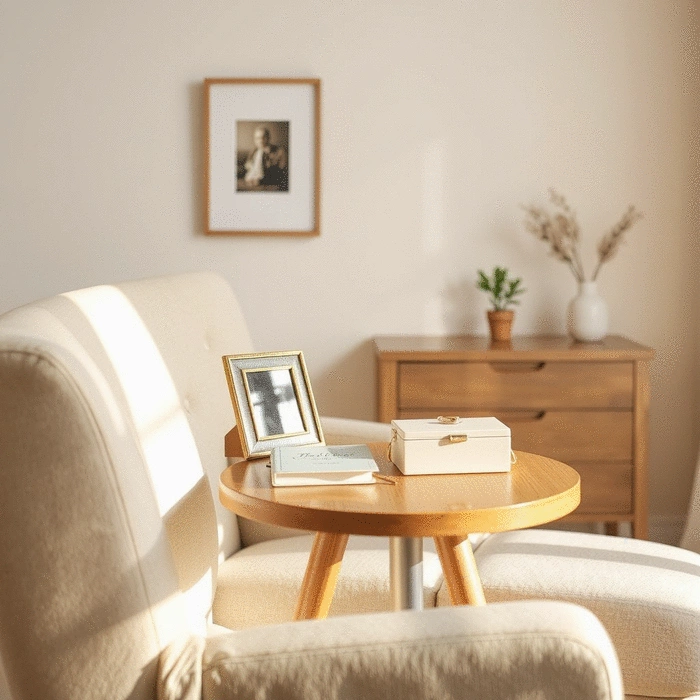
Reflect on why you feel attached to the item. Consider the memories associated and whether they bring you joy.
Unlock the secrets to fast, profitable property sales and rentals. Get expert tips from Isabella Trenton delivered straight to your inbox!
Posted on: 2025-10-30
By: Isabella Trenton
What if the process of decluttering could transform not just your home but also your mindset? As you navigate the emotional landscape of letting go, understanding the ties between memories and objects can lead to profound personal growth. Let's embark on this journey toward a clutter-free, joy-filled space together.
Understanding the emotional aspects can guide you through the decluttering process effectively. Below is a visual representation of key considerations and emotional responses when decluttering. For a more comprehensive guide on preparing your home, consider these essential tips to declutter your home before selling.
Reflect on why you feel attached to the item. Consider the memories associated and whether they bring you joy.
Practice self-compassion during the decluttering process. Recognize that it’s normal to struggle with letting go of sentimental items.
Designate a specific area for sentimental items to help manage the quantity and maintain a clutter-free environment.
Incorporate mindfulness practices like deep breathing and meditation to ease the emotional burden of decluttering.
Decluttering sentimental items can be an emotional rollercoaster! I completely understand how challenging it can be to face the memories attached to objects that hold deep meaning. Whether it’s a childhood toy, family photographs, or gifts from loved ones, these items often evoke strong feelings of nostalgia, making the process feel daunting. Let’s unpack this journey together and explore how we can approach it with grace and understanding.
Many people experience a sense of *guilt* when considering letting go of cherished items. The thought of discarding something that has been a part of your life can lead to anxiety and second-guessing your decisions. However, it’s essential to acknowledge this emotional attachment and recognize that it’s okay to feel this way. By confronting these feelings, you can begin to make more thoughtful choices about what to keep and what to release.
Emotional attachment to items often stems from significant memories and associations. Have you ever kept something simply because it reminds you of a loved one? It’s natural to hold on to these memories! However, it’s crucial to differentiate between the memory and the item itself. This realization can help reduce feelings of guilt when it comes time to declutter. Remember, you can cherish the *memory* without holding onto the physical object.
When embarking on a decluttering journey, practicing self-compassion is vital. It’s easy to be hard on yourself during this process, but you deserve kindness and understanding. Start by recognizing that it’s perfectly normal to find it difficult to let go of sentimental items. Embrace the idea that you’re not alone in your struggle; many people face similar challenges!
One way to practice self-compassion is to give yourself permission to take breaks. Decluttering can be overwhelming, so don’t hesitate to step away when needed. Acknowledge your feelings without judgment and remind yourself that it’s okay to take things at your own pace. This process is about what works best for you, and there’s no rush! For more practical advice on decluttering, check out our guide on how to declutter your home effectively.
Attachment theory helps us understand the emotional bonds we form with objects. These attachments can stem from positive experiences, such as a gift from a close friend or an heirloom passed down through generations. While these sentimental ties can enhance our lives, they can also weigh us down if we hold onto too many items. It’s important to recognize the influence of these attachments as we work towards creating a more functional space.
By understanding the emotional journey of decluttering sentimental items, you're better equipped to navigate this process with intentionality. At FixIt2Flip, I believe in the transformative power of a well-prepared home. Let’s embrace this journey together, ensuring your space reflects not just your memories but your current life as well!
Here's a brief recap of the key points discussed so far:
Setting boundaries is key to keeping our spaces organized and free from overwhelming sentimental clutter. It’s easy to let items pile up when they hold emotional significance, but creating physical limits in your home can help maintain a balance. You deserve to enjoy your space without feeling weighed down by clutter!
Start by determining how much physical space you want to allocate for sentimental items. This might mean dedicating a shelf, a box, or even a room in your home specifically for these treasures. By setting clear boundaries, you can enjoy your memories while keeping your home tidy and functional.
To effectively manage sentimental clutter, here are some steps to set physical limits:
These steps can be a game-changer! It’s all about finding a balance that works for you without sacrificing your emotional connection to these items. For additional advice on managing items, explore efficient rubbish removal solutions.
Once you've established boundaries, maintaining clutter-free zones is vital for long-term success. Here are some tips to keep your space organized:
These strategies not only help in managing sentimental clutter but also support a more serene living environment. Remember, it’s about creating harmony in your space, not just letting go!
Optimizing your space can significantly impact your decluttering journey. Here are some practical techniques to consider:
These techniques will help you keep your home inviting and organized. At FixIt2Flip, we believe that a well-organized space can transform your experience and overall well-being!
Taking the first step toward decluttering can feel daunting, especially when facing the guilt of parting with sentimental items. However, overcoming this guilt is crucial for a successful decluttering process. Let’s explore some motivational techniques that can help!
Remember that each step you take is a step toward a more organized and peaceful home. Embrace the idea that it’s okay to let go of items that no longer serve you, and keep in mind that your memories are not tied to physical possessions.
To inspire you to begin the decluttering journey, consider these motivational techniques:
Taking action is the first step toward creating a home that aligns with your vision. Trust me, once you start, you’ll find it easier to keep going! For more insight on managing clutter in different contexts, read about decluttering tips for rental properties.
To aid you in your decluttering journey, consider utilizing interactive resources like downloadable worksheets and checklists. These can serve as reminders and tools to keep you on track. Here are some ideas:
These resources can be incredibly helpful in staying focused and organized during your decluttering process. At FixIt2Flip, we’re all about providing tools that empower homeowners to achieve their goals!
Merging mindfulness with decluttering can enhance your experience and help you navigate the emotional aspects. Here are some practices to consider:
Integrating mindfulness can turn decluttering from a chore into a fulfilling practice! It allows you to connect with your emotions and foster a better relationship with your belongings.
As we wrap up this decluttering journey, let’s remember that it’s ultimately about placing value on memories rather than physical objects. Your experiences and feelings are what truly matter, and your home should reflect that sentiment.
So, don’t hesitate to share your thoughts and experiences with decluttering in the comments below! I’d love to hear how you’ve tackled this challenge and what strategies worked for you.
When we focus on the memories associated with our items rather than the items themselves, we can let go of guilt and embrace a more organized life. Memories live in our hearts, not in our closets!
It’s essential to cherish those memories while also allowing space for new experiences. Letting go can be liberating, and it often leads to personal growth!
Join the conversation and share your decluttering journey with us! What techniques have you found most helpful? How did you overcome the emotional barriers? Your insights can inspire others looking to embark on a similar path.
At FixIt2Flip, we’re here to support you every step of the way as you transform your home into a space that reflects your true self!
Remember, decluttering is more than just organizing; it’s a journey toward personal growth. As you navigate through this process, you’ll discover more about yourself, your values, and what truly makes you happy. So let’s embrace the journey together and create homes that nurture our well-being! Don't forget that even minor improvements, like those discussed in minor repairs to boost appeal, can make a big difference in maintaining a functional and harmonious home.
Here is a quick recap of the important points discussed in the article: