Electrical Work
Incorrect handling can lead to serious hazards, including fires or electrocution.
Unlock the secrets to fast, profitable property sales and rentals. Get expert tips from Isabella Trenton delivered straight to your inbox!
Posted on: 2026-07-27
By: Isabella Trenton
The decision to tackle home repairs can often feel like a double-edged sword. Should you roll up your sleeves and attempt a DIY fix, or is it time to call in the experts? Understanding the intricacies of home repairs is essential for maintaining both safety and functionality in your living space. This guide aims to clarify these choices and help you make informed decisions.
The following visual outlines the types of home repairs that typically require professional expertise to ensure safety and effectiveness. For those looking to declutter your home before selling, understanding which repairs add value and which can be DIY is crucial.
Incorrect handling can lead to serious hazards, including fires or electrocution.
Avoid water damage and health risks by hiring a professional for persistent leaks or clogs.
Safety is paramount when dealing with heights; a roofing expert can assess your roof's integrity.
Improper installation can lead to dangerous gas leaks; always hire a licensed professional.
Complex systems require specialized knowledge; a technician can ensure efficient operation.
Failing to address foundation issues can lead to dire consequences; consult a structural expert.
Extensive damage often requires professional expertise for a seamless finish.
Professionals can safely remove mold and address the source of moisture, protecting your health.
Home repairs can be overwhelming, especially when you're unsure whether to tackle them yourself or call in a professional. At FixIt2Flip, we understand that knowing when to hire an expert can save you time, money, and a lot of headaches! Let’s dive into the types of repairs that often require a professional touch and how to make that decision effectively.
Some home repairs are more complex than they appear. It's crucial to recognize which tasks are better suited for a professional to ensure your home remains safe and functional. Here’s a quick list of high-risk repairs that typically necessitate expert intervention:
Electrical work can seem straightforward, but it poses significant risks if not done correctly. Even minor mistakes can lead to fires or electrocution. If you're experiencing frequent circuit breaker trips or flickering lights, these are signs it's time to call a licensed electrician. Don’t underestimate the importance of safety—your home is your haven!
Plumbing problems can escalate quickly, leading to costly water damage. If you notice a persistent leak, low water pressure, or clogged drains that don’t respond to simple fixes, it’s wise to bring in a professional plumber. They have the tools and expertise to diagnose and resolve issues efficiently, ensuring your home remains dry and damage-free. When dealing with such occurrences, it's always good to be aware of home repair warning signs.
When it comes to roofing, safety is non-negotiable. If you see missing shingles or leaks, don't risk climbing up there yourself! A roofing expert will assess the integrity of your roof and provide the necessary repairs, ensuring that your house stays safe and dry. Remember, a well-maintained roof protects your entire home!
Gas appliances require a careful approach. Improper installation can lead to gas leaks—an extremely dangerous situation. If you’re installing or servicing a gas stove, furnace, or water heater, always hire a licensed professional. It’s not worth jeopardizing your safety just to save a few bucks!
Your HVAC system is a complex network that requires precision and expertise. If your air conditioning isn’t cooling or your heating system is malfunctioning, professional help can resolve these issues without causing further damage. A technician can also provide regular maintenance to keep your system running efficiently, helping you save on energy bills!
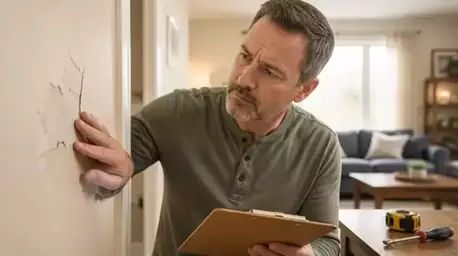
Issues with your home’s foundation can lead to significant structural problems. If you notice cracks in walls, uneven floors, or doors that don’t close properly, it’s time to consult a structural engineer. Addressing these concerns early can save you from costly repairs down the line.
While small holes can be fixed by a handy homeowner, larger drywall issues often require a professional touch. If you're dealing with extensive damage or require matching textures and finishes, hiring an expert can ensure a seamless repair. Trust me, a beautifully finished wall can transform a room!
Mold can pose serious health risks if not handled properly, making professional mold remediation essential. If you notice water damage or a musty smell, it’s crucial to act quickly. Professionals can safely remove mold and address the source of moisture, protecting your home and your health.
Understanding the complexity of a repair is key to deciding whether to DIY or hire a pro. Some repairs may seem simple but can quickly become complicated or time-consuming. Here are some factors to consider:
Before attempting any repair, assess your own skill level. Do you have the tools and knowledge to complete the job, or could it lead to more issues? If it feels overwhelming, don’t hesitate to reach out to the experts at FixIt2Flip—we’re here to help simplify your home preparation process!
Time is often a critical factor when determining whether to tackle a repair yourself or hire a professional. If a job takes longer than expected, the savings from DIY can quickly evaporate. On the other hand, professionals can often complete repairs more efficiently, so consider the long-term costs involved. For minor issues, you might explore mastering minor home repairs yourself.
In emergencies, swift action is crucial. If a burst pipe or electrical failure occurs, it’s often best to call a professional immediately. Knowing the urgency and potential costs associated with emergency repairs can help you make informed decisions quickly.
When it comes to home repairs, having a clear decision-making framework can guide you towards the best choice. Here’s a useful approach to help you navigate the process:
A risk matrix is a fantastic tool for visualizing the potential risks involved in various repairs. By categorizing tasks based on complexity and danger, you can make more informed choices about which repairs might be safe to handle yourself versus those that should be entrusted to professionals.
Here’s a quick checklist to help you decide:
If you answer "no" to most of these questions, it might be time to call in a pro!
Finally, prioritize your home improvement projects based on necessity and your comfort level. Some tasks can wait, while others demand immediate attention. By mapping out your needs, you can better allocate your resources—be it time or money—to tackle your home repairs effectively. This can also involve understanding the benefits of efficient rubbish removal solutions to clear space for new projects.
Before starting any home repair project, take a moment to document the current state of the area you're working on. This can include taking photos and making notes on existing issues. This documentation not only helps you track your progress but also provides valuable information if you need to consult a professional later on.
A1: High-risk repairs such as electrical work, significant plumbing issues, roofing repairs, gas appliance installations, HVAC system repairs, foundation work, and mold remediation should always be handled by licensed professionals to ensure safety and effectiveness.
A2: Consider your skill level, the complexity of the repair, potential safety risks, the time required, and the overall cost. If a repair is high-risk, requires specialized tools or knowledge, or could lead to further damage if done incorrectly, it's best to hire a professional.
A3: Attempting complex DIY electrical work can lead to serious hazards, including electrical fires, electrocution, and damage to your home's electrical system. Always consult a licensed electrician for electrical repairs.
A4: Mold can pose significant health risks and, if not removed properly, can spread and cause further structural damage. Professionals can safely identify the source of moisture, remove mold, and prevent its recurrence, protecting both your health and your home's integrity.
A5: Prioritize projects based on necessity, safety, and urgency. Critical repairs like structural issues or immediate safety hazards should be addressed first. Then, consider projects that enhance functionality or value. A risk matrix and checklist can help guide your decisions.
When it comes to home repairs, understanding the balance between DIY projects and hiring a professional is crucial. There are times when taking on a repair yourself can be rewarding and save you money. However, some tasks are best left to the experts, ensuring safety and quality work. Recognizing when to bring in a professional can save you time, stress, and ultimately, money in the long run!
At FixIt2Flip, we believe that a well-prepared home starts with knowing your limits. While it’s great to tackle small repairs and improve your skills, certain jobs—like electrical work or plumbing—can pose serious risks if not handled correctly. Making informed decisions about which repairs to DIY and which to leave to the pros is essential for maintaining a safe and functional home.
It’s important to strike a balance between DIY and professional expertise! Assessing your comfort level with various repairs can help you determine which tasks you can handle confidently. For example, simple projects like painting or minor landscaping can be great DIY opportunities, while more complex issues like structural repairs or mold remediation should definitely be approached with caution. Remember, your home’s safety comes first.
As you weigh your options, consider the long-term implications of each choice. Hiring a qualified contractor can not only save you from potential headaches but also enhance the overall market value of your property. After all, a well-maintained home is much more attractive to potential buyers or renters, making it all worthwhile!
Now that you have a clearer understanding of when to hire a professional, it’s time to take action! Start by creating a list of repairs around your home. Ask yourself: Can I handle this myself, or should I seek professional help? This step will help you prioritize tasks and make informed decisions.
As you compile your list, consider breaking it down into two categories: DIY and professional. This can help you visualize the workload ahead and establish a timeline for tackling repairs. Here’s a simple framework:
After identifying the tasks that require professional assistance, the next step is to find reliable contractors. Look for those with solid reviews and a track record of excellence. At FixIt2Flip, we recommend asking for referrals from friends or family who have had positive experiences. Additionally, check online reviews to gain insight into a contractor’s reputation.
Beyond immediate repairs, regular maintenance is key to keeping your home in great shape! Here are a few tips to consider:
By proactively maintaining your home and knowing when to bring in the experts, you can ensure that your property remains a safe and inviting space. Let’s work together to keep your home in tip-top shape! If you need help or have questions, FixIt2Flip is just a call away! For more tips on maintaining your property, explore key home maintenance tips before selling.
Here is a quick recap of the important points discussed in the article: